802-368-2591
|
|
802-368-2591 |
|
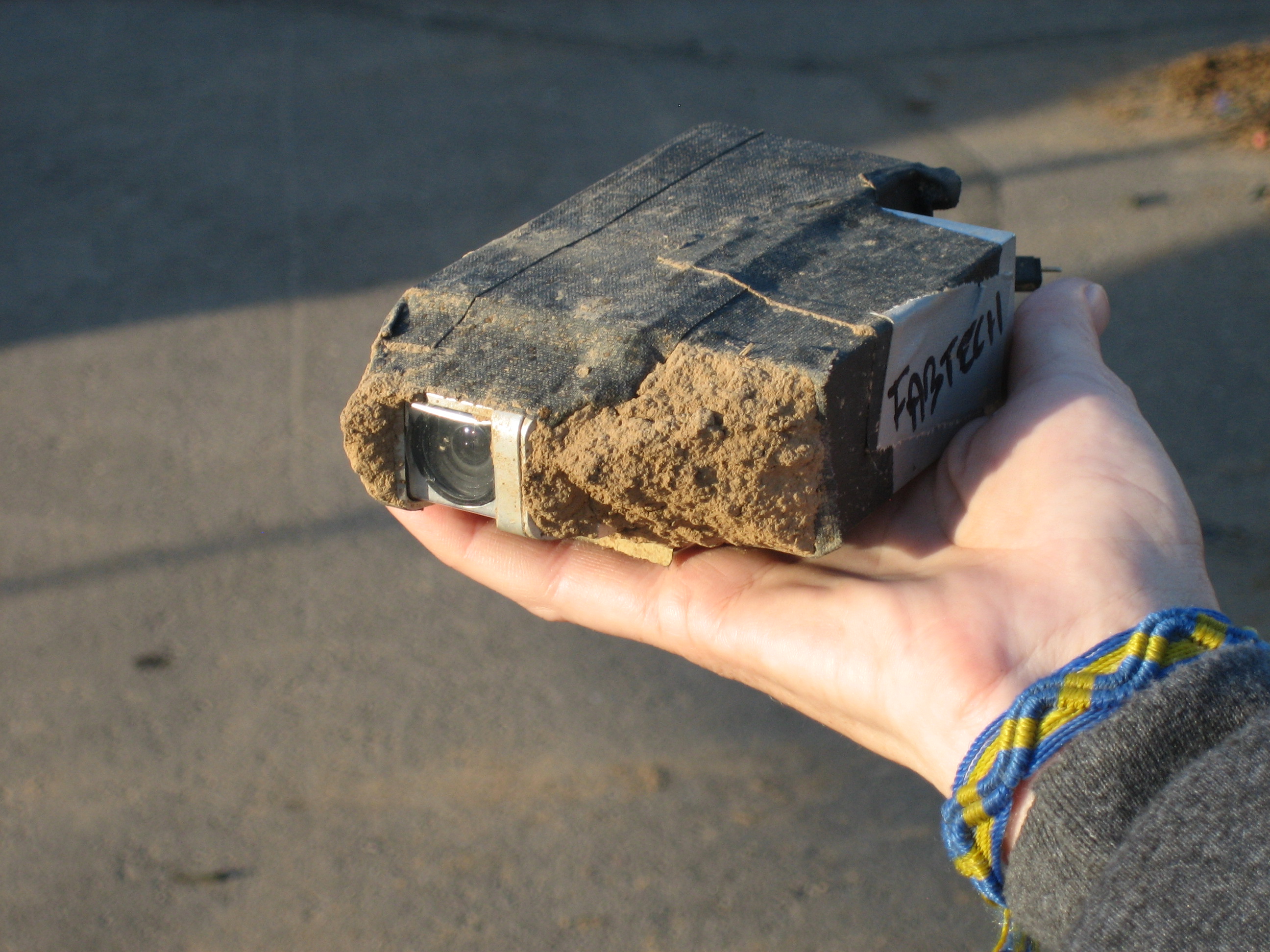
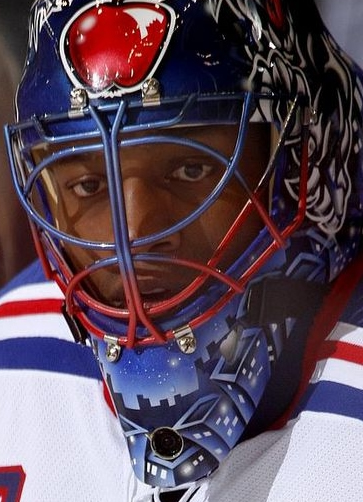
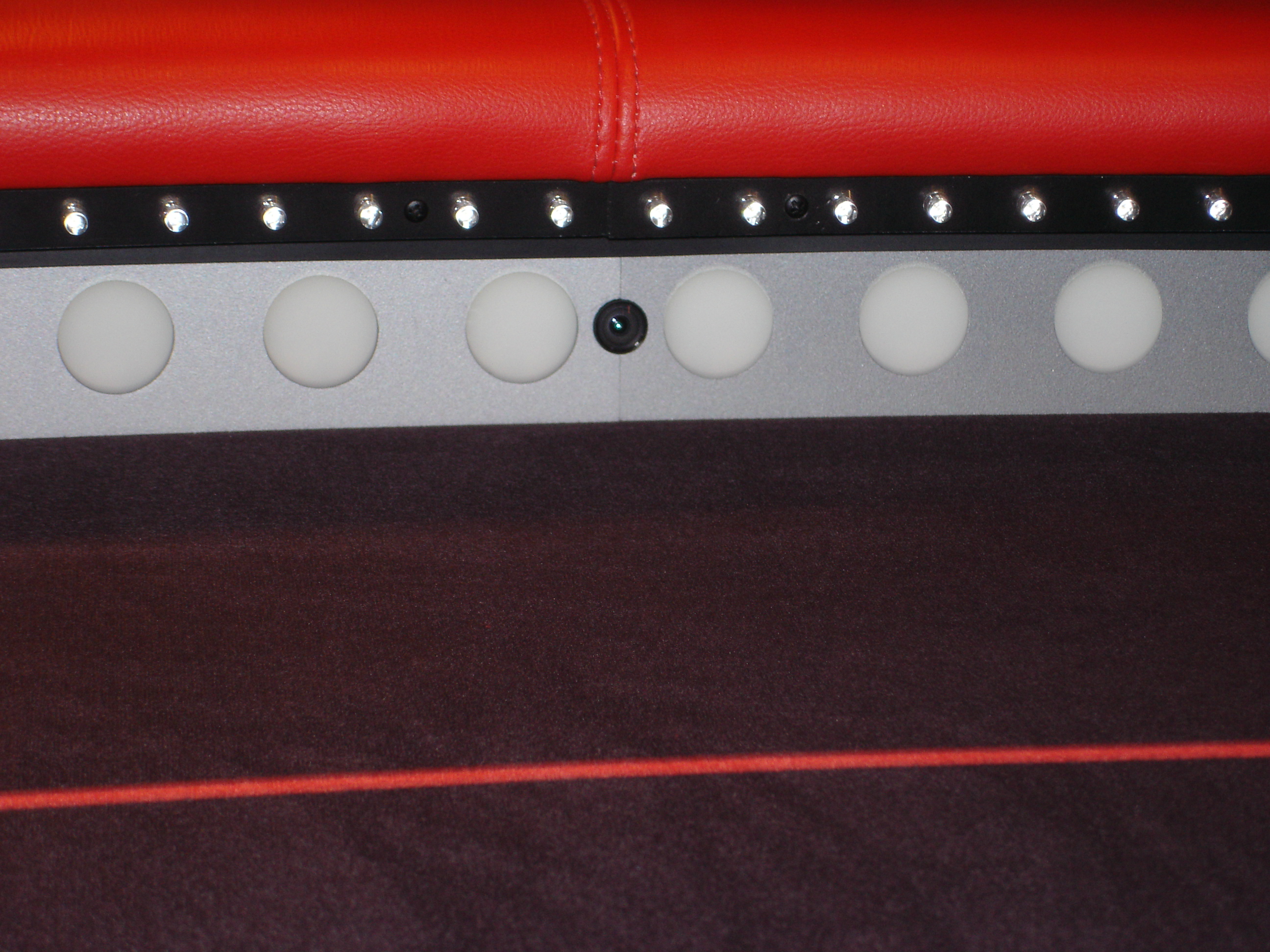
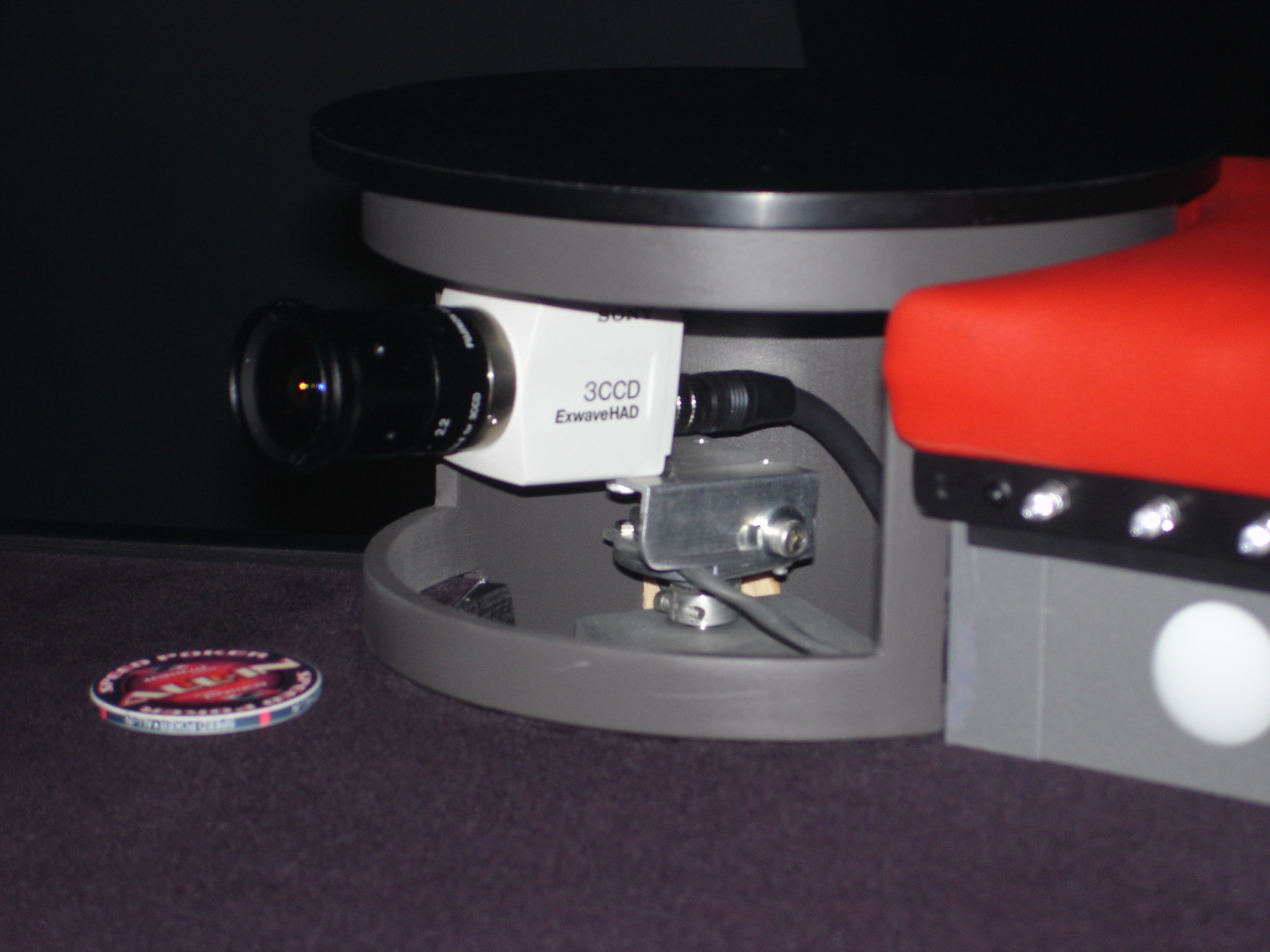
On-Board CamerasFor over 10 years Inertia Unlimited has provided lens clearing on-board cameras. That time has given us and our crews the knowledge of how to make the camera systems reliable in very difficult situations. Most recently we introduced a solid state recorder which is replacing the use of mini-dv handycams as a means of recording on-board race cars. Every situation is different. For AMA Supercross, we mounted an exterior mounted helmet camera and used a miniature RF transmitter to relay the signal live back to the TV truck. For the NFL umpcam on FOX it was a similar setup mounted in a baseball cap. Typically the weight of a system is about 7 ounces including camera, transmitter, antenna, and batteries which last for about 45 minutes. For the NHL goalie cam used last year by NBC Sports, we extensively deconstruct a Sony XC-555 camera and mount part of it in the chin area of hand built, custom painted NHL goalie masks. The transmitter, antenna and batteries are located in back of the helmet. We worked closely with helmet manufacturers to develop an approach which would not compromise the safety aspects of the helmet. For the NHL we placed the equipment in a way that if a puck struck the helmet, it's trajectory would not be altered in any way differently than if no camera system was present. For the goalie, we positioned the equipment to make the helmet balanced and wearable during regular season and post season games. The total weight of the system was reduced to about 6 ounces yet was still high quality and could be painted to match other cameras on the show. For FLW Outdoors Bass fishing, Inertia Unlimited provided more than 20 specialty cameras many of which were fully waterproof. One of the most interesting, which initially we had suggested, was a cap camera which was concealed (read not visible) in the angler's own cap keeping the look and corporate logos on the cap untouched. Combined with a custom camera and an exceptionally wide angle 1.8mm lens, it provided a great angler's eye perspective. Our cameras on this show received an Emmy nomination for technical achievement. For the Olympics, we provided cameras which would give unique perscectives to allow the viewer in some small way to experience the event themselves. For skiing aerials we mounted a camera on a backpack-like assembly which we built that gave a perspective from 3 feet behind the skiier who was wearing the camera. The angle looks much like if someone is skiing a few feet behind the athelete. Of course the angle doesn't change even if the skier is performing a lay-full-full (a back flip followed by two twisting back flips) as we did in Torino. Because the wearer of the mount appears in the frame of the shot, it is extremely stable. For the Salt Lake City Olympics we received a Emmy Award. Another camera which we developed for the British reality show "Don't Try This at Home" involved a unique helmet cam. We used a traditional POV camera mounted on a helmet, but also mounted a mirror on a small arm off of the front of the helmet in the field of view of the camera. We positioned the mirror in the upper corner of the camera frame and adjusted it to show the face of the person wearing the helmet, sort of picture in a picture, but purely optical. This camera has subsequently been used at the Olympics and most recently at the Nathans Hot Dog Eating championships on ESPN. Poker Hole Card CamerasInertia Unlimited was the innovator of hole card cameras for ESPN at the 2003 World Series of Poker. Since then we have provided camera systems to NBC, ABC, CBS, FSN, GSN, Speed, NESN, and YES among others. Currently you can see our cameras every Sunday night on FSN at the Mansionpoker.net Pokerdome Challenge. At that show we provide a total of 18 cameras including 6 fully robotic HD cameras, 2 semi-robotic cameras, 6 hole card cams, a dealer cam, a reverse wide cam and 2 overhead cameras which we call Spy and Flop. We have also been part of the only 4 poker shows ever in the US to be broadcast live which included the use and display of hole card cameras. The locations included Las Vegas, New York, and Monte Carlo. Solid State RecorderFor 10 years we have either used RF transmission or tape based recording on race cars. For a post-produced show the problem of RF is that it is expensive, weather dependant, and prone to interference. Tape based systems are more reliable but have a maximum recording time of 63 minutes and tend to break up during violent motions (normally when you want the footage the most). Hard disk based systems do not work at all when subjected to g-force and vibration. For some time we have been working on solid state recorders. Initially we reviewed a number of commercially available solid state systems and decided that their approach was not likely to survive the rigors of the racing environment. So we built our own. We settled on Fast Foward Video's Outrider board and built our own housing made of machined aluminum which we black annodized. The connections are all easily field serviceable and pin compatible with a typical handycam. The board accomodates 2 compact flash cards and presently the maximum size available is 8 gigabytes each. That gives us about 6 minutes per gig or a maximum of 2 hours 8 minutes of recording at 8:1 MJPEG compression (The compression ratio can be set from 4:1 to 30:1). The size of the unit is .8" high x 3" wide x 6" long. It weighs .62 pounds and accepts voltage inputs of 7-28 volts. Video inputs are composite and S-Video. It supports 2 channels of audio. The nicest part for the producer of a show which has been recorded using this system is that the files are saved in the QuickTime format. At the end of a race we copy the files using a USB 2.0 port on the recorder directly to a hard drive which can be loaned to the production company. The files do not need to be digitized and are compatible with most non-linear editing systems.
POV CamerasCameras: Sony XC-555 - Custom 3mm and 4mm lenses, Stock 6mm and 12mm lenses, 8-48mm zoom lenses Sony DXC-C33 - 2.8mm and 4mm lenses Elmo CC-421E - 7mm and 12mm heads - 1.8mm, 2.2mm, 3mm, and 4mm lenses Toshiba IKTU51 - 2.8mm and 4mm lenses Recorders: Custom Compact Flash Video Recorder Mini-DV DVCAM Wireless Mounts: Poker Table Lens clearing race car Roll bar Carbon Fiber aerodynamic cover Superclamp Mask Helmet (with optional rearview mirror) Hat Head band Knee Brace Ski boot Ski tip Suction Cup Pole
|
Lens clearing camera after a muddy race
Rangers goalie with camera below chin
Poker Hole Card Camera
Mini Robotic Camera
|
|||||
| 320 Pratt Road, Jacksonville, VT 05342-0426 | 802-368-2591 | |||||||